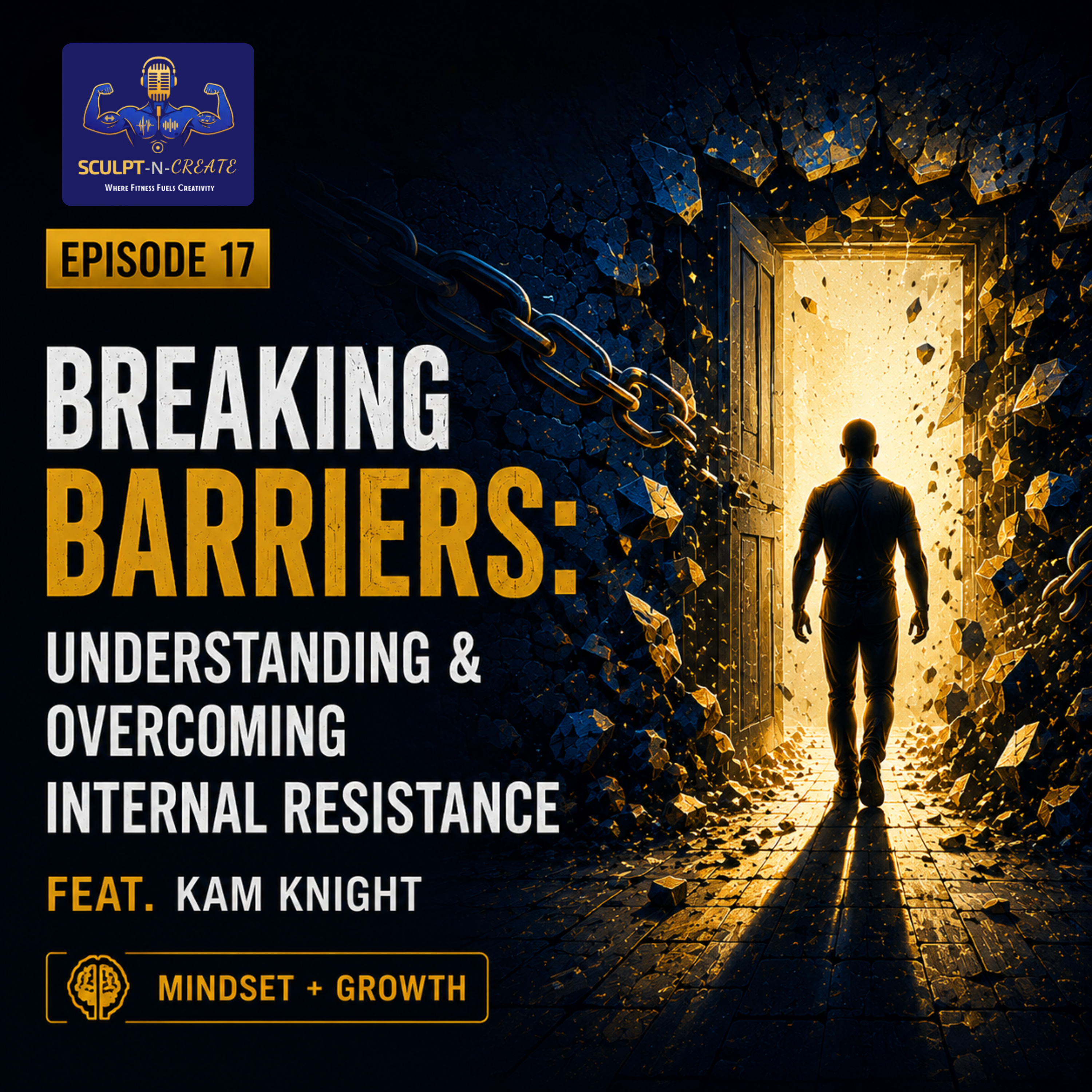








It can happen in an instant: the sudden paralysis that strikes just as we decide to start something new, whether it’s a creative project, a career change, or a personal goal. Most people have felt the strange frustration of being unable to move forward, even when the motivation is there. This is not simply procrastination; it’s a deeper kind of internal resistance, a force that keeps us anchored to routines and familiar habits. Kam Knight, an international speaker and mentor, describes this invisible wall as one of the toughest obstacles to personal growth and fulfillment.
Understanding internal resistance
Knight describes internal resistance as a psychological block that holds us back from taking action, even when we know what needs to be done and genuinely want to do it. It’s a split between the part of the brain that creates desire and the part that allows us to act on it. Many people know exactly what steps would move them forward but find themselves unable to take them. Resistance shows up as fear of criticism, perfectionism, or the pull of what’s familiar. Creative professionals and entrepreneurs feel this tension sharply, routine feels safer than the unknown risks ahead.
One of the biggest reasons for resistance is the pain of feedback and criticism.
This cycle of inaction and self-sabotage can be maddening. Even with strong intentions, people often stick with what’s predictable, weighed down by self-doubt and a constant inner voice questioning their abilities. Knight’s perspective helps clarify this conflict, mapping out how our subconscious shapes hesitation and how these old patterns become so persistent.
Artistic vulnerability and the fear of criticism
Artists and performers often know internal resistance better than most. Their work demands public exposure, putting creations before an audience ready to judge. Knight points out how deeply criticism can wound artists, sometimes overshadowing all positive feedback. Even one harsh comment can leave a lasting impact, making it harder for artists to share their work freely. This sensitivity becomes a real barrier, amplifying self-doubt and shrinking their willingness to take creative risks.
The same quality that enables empathy in artists also makes them more vulnerable to critique. This heightened sensitivity intensifies the pain of negative feedback and fuels a self-protective reluctance to go public with new work. The struggle isn’t just about making something; it’s about managing the emotional fallout every time they take that risk.
Perfectionism as a tool of resistance
Perfectionism is another common form of resistance, one that disguises itself as dedication to craft. In reality, it often creates an endless cycle of revision and hesitation where nothing ever feels truly finished or ready for an audience. Underneath this drive for improvement lies fear: if you never finish a project, you never expose yourself to judgment or failure. In this way, perfectionism acts as a buffer against risk even though it stalls progress entirely.
Perfectionism is how resistance manifests; trying to make sure everyone loves our work.
The people who manage to let go of perfectionism often succeed by shifting focus from their critics toward their true audience. Accepting that nothing will ever be absolutely perfect is freeing; it allows creators to view imperfections as part of being human rather than proof of inadequacy. Progress becomes possible when creators direct their attention toward honest expression rather than unattainable flawlessness.
Tracking and tracing the roots of resistance
Tackling internal resistance requires more than surface-level determination. Knight urges people to develop deep self-awareness and investigate where their resistance comes from, often childhood experiences and long-held beliefs. These early influences shape self-image in ways that persist long into adulthood, sometimes without us realizing it. By observing emotional reactions and automatic thoughts in response to specific self-talk, individuals can start uncovering how these subconscious scripts influence behavior now.
If we're not able to do something we want, it's usually because something internal is going on.
This kind of introspection helps reveal connections between past trauma or authority issues and current struggles with taking action or believing in oneself. Our subconscious tends to cling tightly to defense mechanisms developed when we were young, mechanisms that may no longer serve us well but are hard to shake. Becoming aware of these patterns is the first step toward questioning and ultimately changing them, allowing for a more accurate sense of possibility and self-worth.
Strategies to break through the wall
Dealing with internal resistance isn’t about eliminating it completely but about learning how to work alongside it while staying focused on personal goals. Recognizing resistance as part of any ambitious effort prepares us for setbacks without derailing progress. Tools like positive self-talk, consistent routines, and intentional mental reprogramming help make those first steps easier, nudging us through moments when inertia threatens to win.
A growth mindset makes all the difference here, understanding that progress is rarely smooth or linear, but does build over time with persistence. Flexibility and resilience are essential traits when old fears crop up again or when things don’t go according to plan. By creating an inner world where growth feels safe rather than threatening, people can face down their own walls and turn what once held them back into fuel for real advancement.