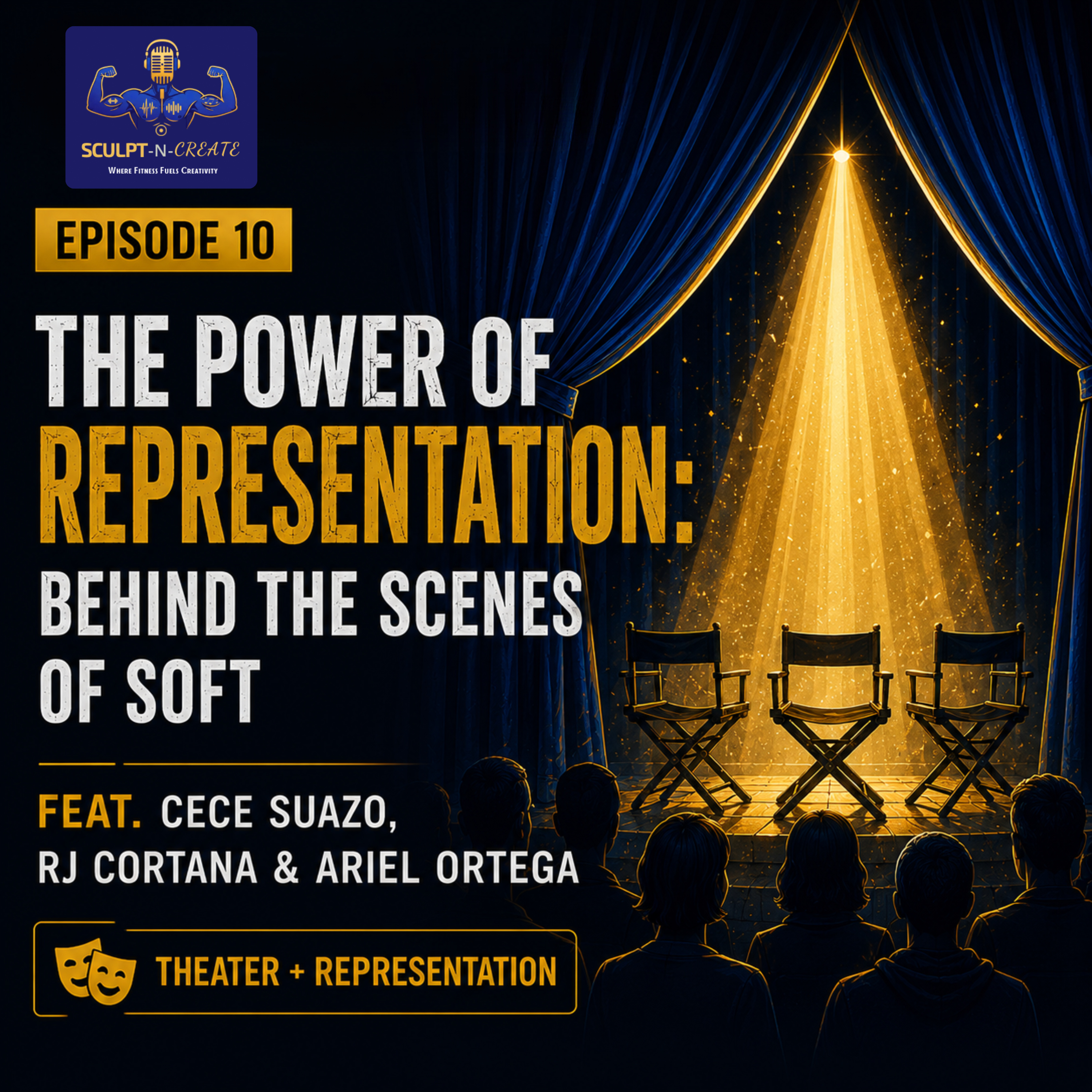








In a dimly lit theater, the stage hums with a palpable energy, one that promises to unravel the tales often left unheard. The actors, cloaked in the simple attire of their characters, stand bathed in a warm, intimate light, inviting us to peek behind the societal armor of Black and Brown communities. In this charged space, vulnerability is not an admission of weakness but a testament to an ineffable strength, a force daring to dismantle stereotypes and rewrite narratives.
The play "Soft" emerges as a necessary voice in a world eager to shy away from uncomfortable truths. Designed to spark conversations around the struggles faced by Black and Brown men, it captures the silent screams of those marginalized by a society quick to conflate resilience with invulnerability. Under the deft direction of CeCe Suazo, recipient of accolades such as the Advocate Magazine Legacy Award, the work fearlessly explores themes of police brutality and mental health, painting them vividly on a canvas often left blank in public discourse. Playwright Donja R. Love, harnessing his personal experiences, breathes life into these narratives with an authenticity that beckons us to listen, to feel, to understand.
Breaking Down the Walls of Silence
CeCe Suazo's direction emphasizes the quiet battles within the hearts of Black and Brown men, providing a rare platform for honesty and reflection. The play does not merely highlight the harsh realities of societal expectations but confronts them head-on, offering a fresh perspective on dialogues that are often hushed or distorted. Donja R. Love, channeling his upbringing in Philadelphia, crafts a narrative rich with personal anecdotes of trauma and the complexities of familial bonds within correctional facilities. These settings, familiar yet distant, serve as the backdrop to stories of police brutality and the corrosive impacts of mental health struggles in underserved communities, illustrating a poignant reality that persists in the shadows of our collective consciousness.
By allowing these stories to resonate through the characters' raw emotions and interactions, the play opens a dialogue that refuses to be silenced. CeCe Suazo's stage becomes a sanctuary where whispered sufferings find voice, and vulnerability transforms into power. In this intimate space, stereotypes dissolve, giving way to a nuanced understanding of what it means to navigate a world built on misconceptions.
From Personal Pain to Collective Healing
Personal trauma, when molded by the hands of an artist like Suazo, transcends its original pain to become a source of healing and societal reflection. Through "Soft," we witness an eloquent tapestry of interconnected personal and shared experiences. Each arc, carefully woven, reflects the intertwined nature of identity and societal roles as navigated by marginalized groups. Here, art rises as more than an aesthetic pursuit; it becomes a transformative mechanism that guides both characters and audience members through the complexities of identity.
CeCe Suazo, renowned for her advocacy, channels her personal battles into her art with a dedication that suggests storytelling is as much about the teller as it is about the story. Through her lens, we see how art allows for an exploration of self, offering a space for introspection and catharsis. Within the play, characters unearth and embrace parts of themselves long buried beneath the weight of imposed identities, a journey mirrored by the audience's own engagement with the narrative.
The Artistic Process: Crafting Authenticity
The process of bringing "Soft" to life required a deliberate departure from traditional theatrical norms. Casting choices prioritized authenticity and relatability over lengthy résumés, seeking out actors like Ariel Ortega and RJ Cortana, whose lived experiences added layers of depth to their portrayals. Such decisions blur the lines between reality and performance, inviting audiences to connect more profoundly with the unfolding drama.
Director CeCe Suazo, renowned for her innovative approach, integrates unconventional staging techniques that draw audiences into the very heart of the action, bridging the gap between spectator and spectacle. This proximity fosters a realism that challenges preconceived notions about theatrical storytelling, breathing new life into the age-old art form and emphasizing the urgent relevance of the narratives at play.
A Symphony of Stories and Sound
Music plays a pivotal role in "Soft," acting as both a narrative vehicle and a symbolic nod to the cultural tapestry of Black and Brown communities. The production employs music and beat-making not merely as background elements, but as integral threads within its storytelling fabric. Ariel Ortega's embodiment of a musician character offers an additional narrative layer, weaving sound into the very essence of the play's message.
Through creative ingenuity, the play transforms ordinary items into musical instruments, echoing the resourcefulness and resilience found in prison environments. This fusion of sound and story ensures that the themes of the play resonate on multiple sensory levels, crafting an experience that is as auditory as it is visual.
The Movement of Stories Yet to be Told
At its core, "Soft" represents more than a theatrical work; it is a clarion call for broader representation in the arts. CeCe Suazo's commitment to showcasing underrepresented stories challenges the prevailing norms of theatre, urging for a more inclusive narrative landscape. The impact of such work extends beyond mere entertainment, serving as an invitation and inspiration for others to step forward with stories that reflect diverse realities so often neglected by mainstream media.
Suazo's determination to amplify these voices promises a burgeoning array of future projects, each poised to disrupt, engage, and transform. As "Soft" pushes the boundaries of storytelling, it lays the groundwork for the stories yet untold, ensuring that the theater becomes a space where vulnerability is not just welcomed, but celebrated as a form of empowerment.